Solar in National Landscapes (AONBs) without spoiling the view
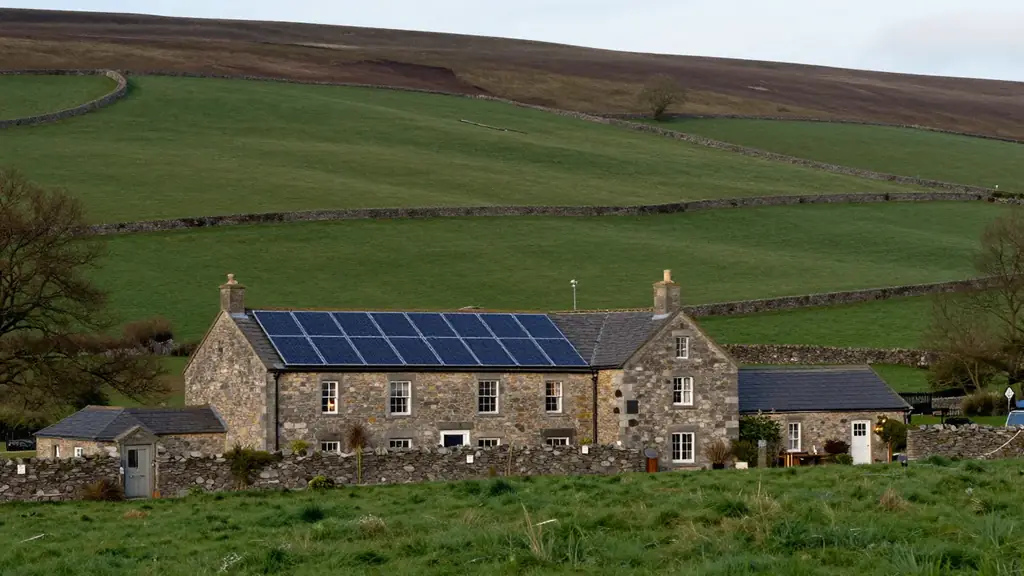
Solar in a National Landscape is allowed, and it can sit very well in the countryside. The skill lies in the siting, the finish and the form. In short, a quiet roof that blends with its stone or slate is rarely a problem. A bright array on an exposed slope in an open view is.
So this guide explains what the designation means, which planning rules apply in England, and how to design solar that respects the view.
What a National Landscape is
National Landscape is the new name for an Area of Outstanding Natural Beauty, or AONB. On 22 November 2023, the AONBs of England and Wales took the new name. The legal designation remains AONB under the 1949 Act. The name changed, but the protection did not.
The Cotswolds is the largest of the 46 AONBs in England, Wales and Northern Ireland. Its National Landscape covers about 790 square miles and spans 15 local authority areas. It has been designated since 1966. If you are planning a scheme there, our page on solar for Cotswold stone-roofed homes adds local context.
The duty on councils
The key legal test comes from section 85 of the Countryside and Rights of Way Act 2000. It says that, in England, public bodies must seek to further the purpose of conserving and enhancing the natural beauty of an AONB. That wording was strengthened in 2023. Before, the duty was only to have regard to that purpose.
For you, this means councils cannot treat a National Landscape as ordinary countryside. They must weigh the effect on the landscape when they decide an application. However, the duty is about conserving beauty. It does not stop well-designed energy projects.
How the planning rules work
An AONB counts as article 2(3) land under the General Permitted Development Order 2015. That is the same category as National Parks, conservation areas, the Broads and World Heritage Sites. Some rules therefore apply here that do not apply elsewhere.
For example, solar on a flat roof on article 2(3) land needs prior approval from the council on its effect on appearance. The tighter highway-facing wall limit, in contrast, names only conservation areas and World Heritage Sites. A home that is only in a National Landscape does not trigger that limit by itself.
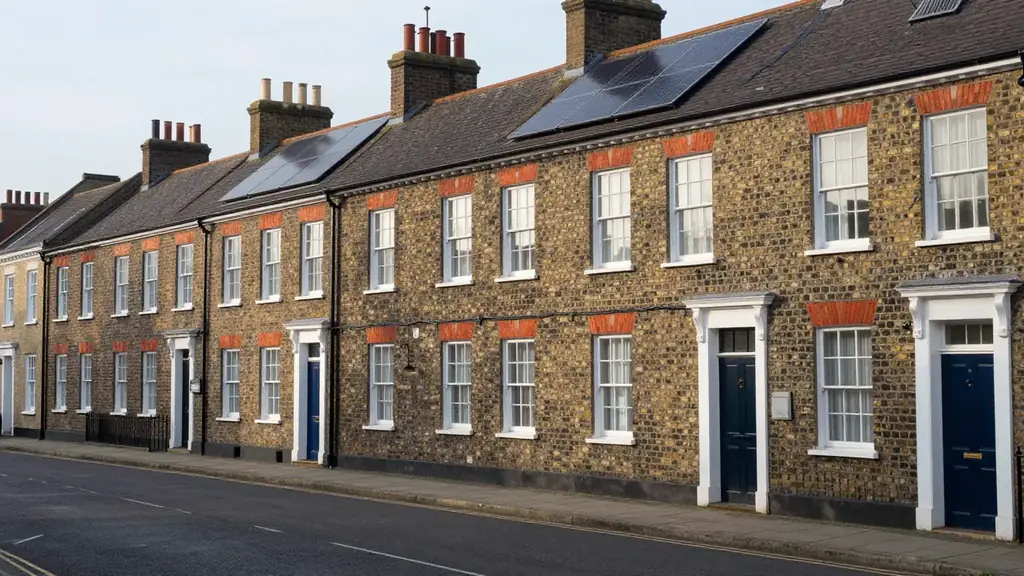
Many Cotswold homes also sit in conservation areas, and some carry a listing. Those layers apply on top. Our conservation-area and listed-building guidance explains how that works. Both are covered in our conservation-area solar service.
What the landscape cares about
Landscape officers think about views from a distance, not just from the street. A south-facing slope on a hill farm can be seen across a valley. Light matters too, so think about glare. A glossy surface throws back the sun, while a matte black or dark grey surface does not.
First, think about these points when you plan a scheme:
- Wide views from lanes, footpaths and nearby hills.
- The colour and texture of the roof around the array.
- Whether the array reads as a clear, ordered block.
- Night-time light from windows or fittings, where dark skies matter.
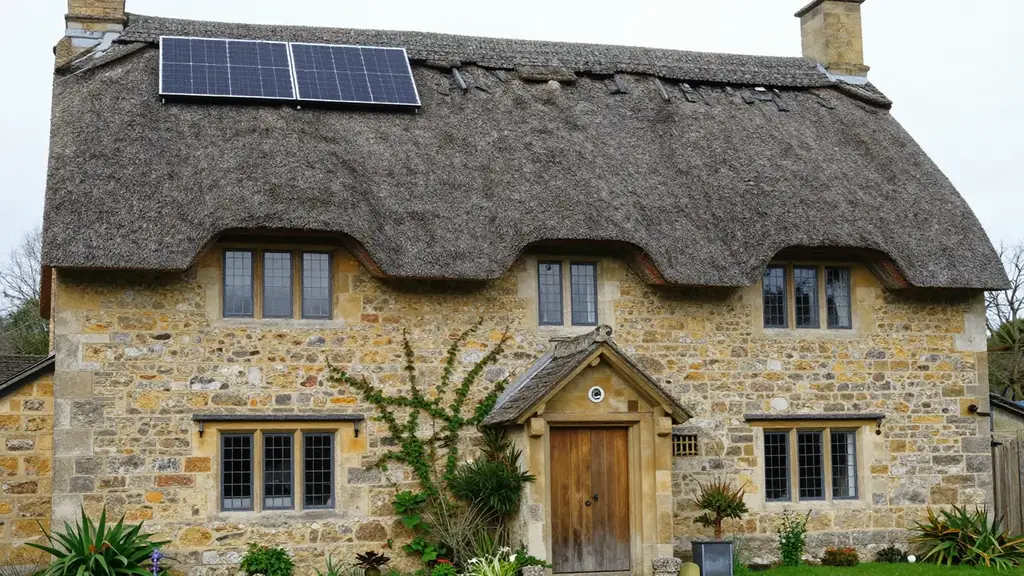
Rural roofs also have a natural tone, so match it. Stone slate and clay tile each ask for a different answer. Our guide to in-roof and on-roof solar shows why flush systems often look calmer in a view. Our overview of solar roof tiles in the UK covers the products that match slate and tile best.
Use the local landscape guidance
Each National Landscape has a body that guides change. The Cotswolds team uses a Landscape Character Assessment and a Landscape Strategy and Guidelines to manage change and give development advice. Read the sections for your own area before you design anything.
These documents describe what makes each part of the landscape distinct. For example, they note the pattern of villages, the tone of the stone and the shape of the valleys. As a result, you can tie your design to a stated quality. A planning statement that quotes the local guidance carries far more weight than a general claim that the panels are discreet.
Then talk to your council early. Planning officers will often consult the landscape team on a sensitive site. Therefore, a clear photographic study of the views to and from your plot can save weeks.
Choose the right building
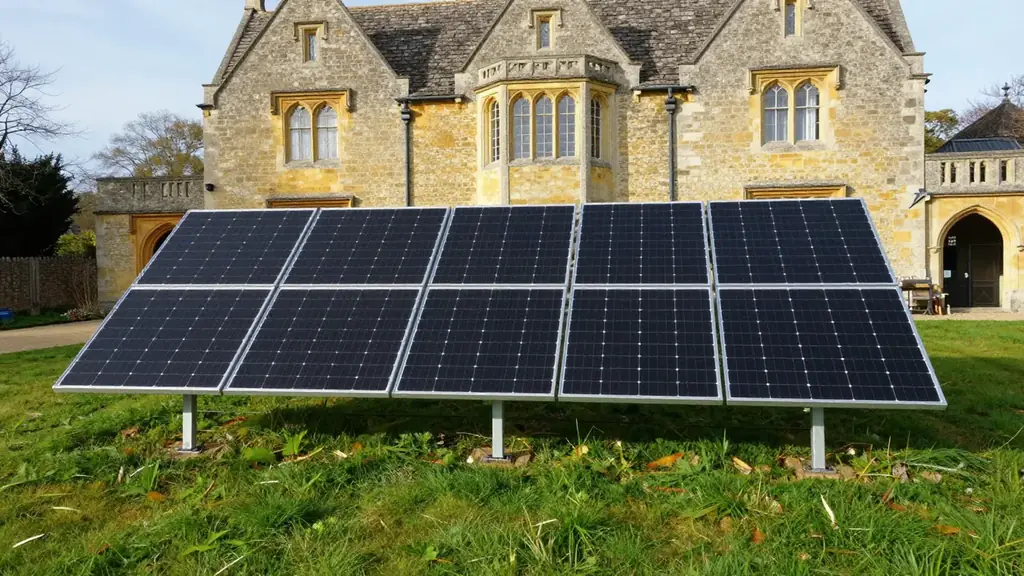
Also, you do not have to use the main house. Barns, garages, stables and garden rooms often have large, simple roofs with a good aspect. A well-sited outbuilding can carry more panels than a listed farmhouse. We will cover ground-mounted and outbuilding solar for sensitive homes in ground-mounted and outbuilding solar for listed homes.
A new build or major extension is a different opportunity. In that case, you can design solar into the form from the first sketch. See solar canopies, carports and garden rooms for homes for ideas that suit a rural plot.
A sensible order of work
Work through the project in this order. First, confirm every designation on your land, including any conservation area or listing. Second, survey the views, near and far. Third, choose the building and slope with the least exposure. Finally, pick a flush, matte system and present it with clear drawings.
Keep the scheme proportionate, because a modest array that fits well will usually be easier to approve than a maximal one. You can often add capacity later on another building.
Costs, products and options
Rural homes often have longer cable runs and more complex roofs, so both can push up the budget. If you are weighing products, read how much solar roof tiles cost in the UK before you decide. Some owners also ask about American roofing products, so we explain the position in whether the Tesla Solar Roof is available in the UK.
Instead, you can treat the solar as part of the building envelope. We describe that approach in what BIPV is and how it works. For homes where nothing off the shelf fits, our bespoke solar design service shapes the system to the building.
Scotland and the national picture
Meanwhile, Scotland has its own planning system, and its permitted development rules differ. Our guide to solar panels and planning permission in Scotland explains the main points.
Bring us the site
Finally, the southern edge of the Cotswolds reaches Bath, where conservation-area and World Heritage rules also apply. You can see how that mix works in solar for Bath and its surrounding hills.
When you are ready, send us your drawings with a few photographs and the address. We will tell you what is realistic, which roof or outbuilding to use, and how to present the scheme to your council. Our bespoke solar design service suits exactly this kind of site.
This guide is general information, not legal advice. Your planning authority decides what applies to your property.