Solar roof tiles in the UK: who makes them and when they suit
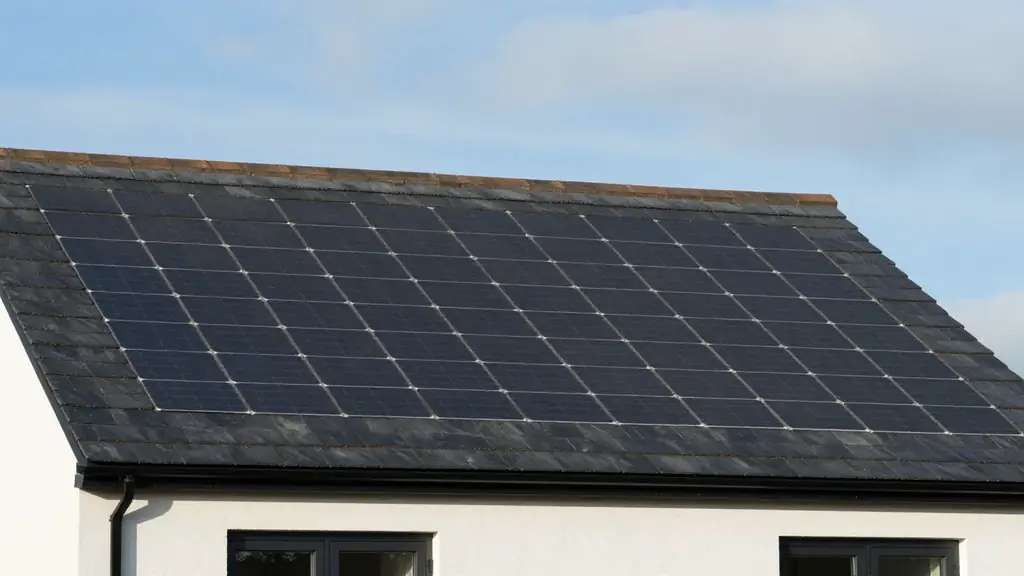
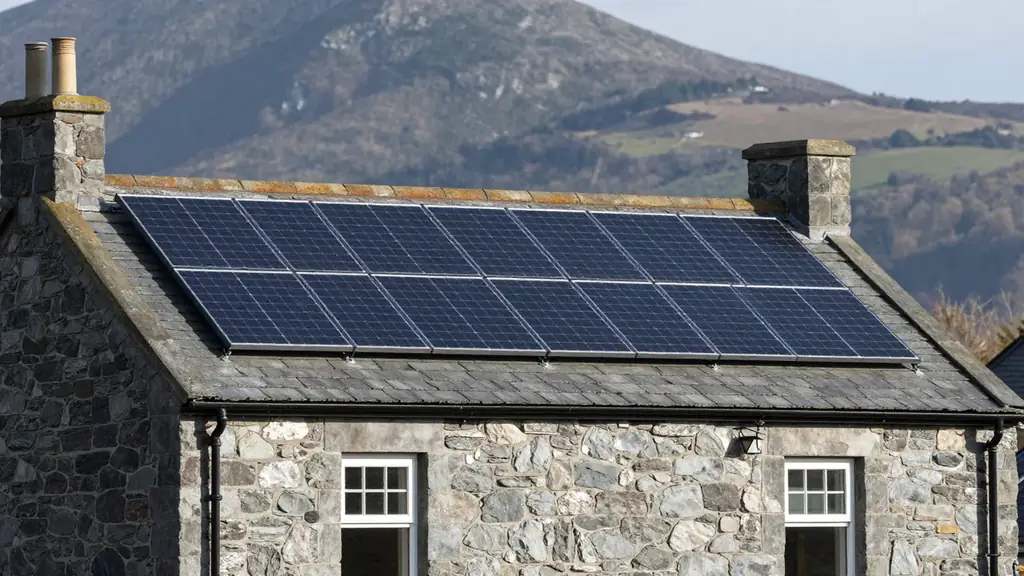
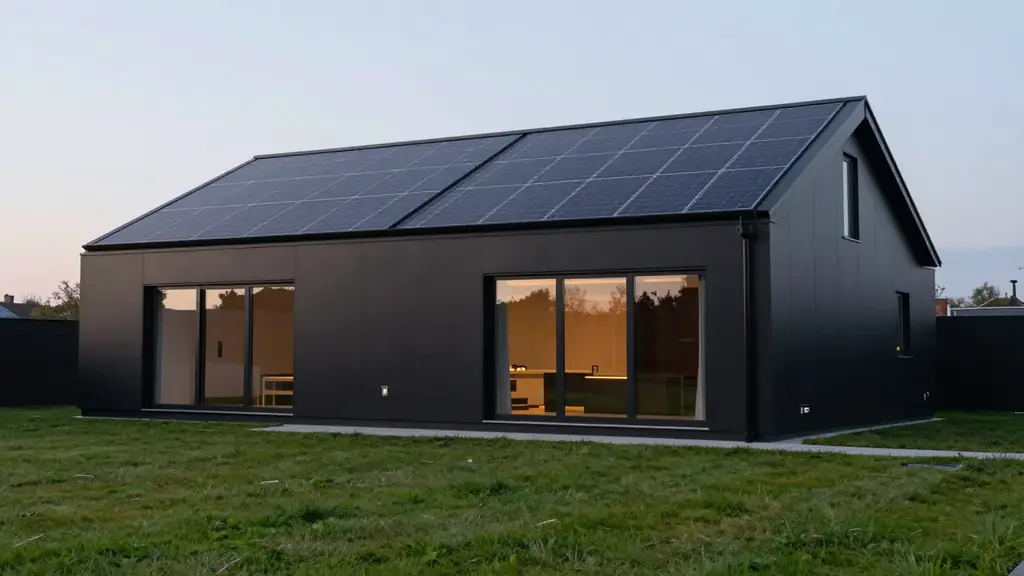
Solar roof tiles replace part of your roof covering with something that makes electricity. When done well, the result looks like a quiet, dark patch of tiling rather than a bolt-on array. That is why the idea appeals to owners who care how the house looks.
This guide explains the main UK products, who makes them and the roofs where tiles suit best. Think of it as a map for choosing, not a price list. For money, read our separate guide to what solar roof tiles cost.
What a solar roof tile actually is
Put simply, a solar roof tile is a photovoltaic module that does the job of the roof covering. First, it keeps the rain out and generates power at the same time. A solar slate follows the same idea for slate roofs.
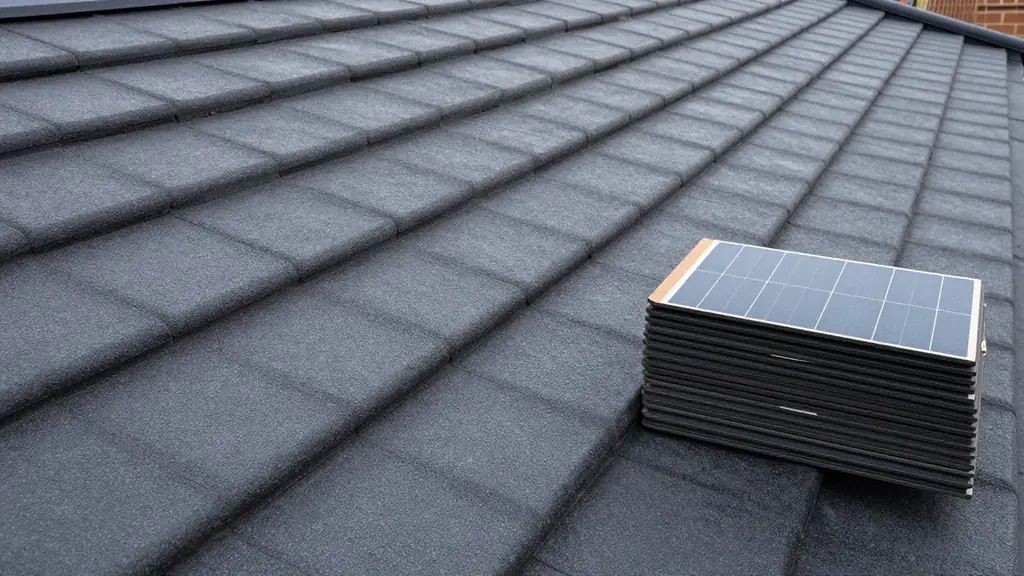
Two shapes exist. For instance, some products are small, single-tile units that mimic one slate or tile. Others are larger modules that replace a group of tiles but still sit within the roof plane.
The Marley SolarTile belongs to the second group. Its 335Wp data sheet lists a module of 1,686mm by 1,000mm. Marley now also lists a 445Wp panel. In effect, it is an in-roof panel that takes the place of the tiles around it.
The main UK makers
In fact, not many firms make these products in the UK. However, here are the names you will meet most often.
GB-Sol is an independent company, established in 1994. It makes solar PV slates at a factory just north of Cardiff. Its slates are designed to combine with natural blue-grey slates. GB-Sol describes them as lighter and stronger than traditional slates, with a 25-year warranty on product, solar performance and weatherproofing.
Marley SolarTile is built on Clearline Fusion, a product from Viridian Solar. Marley and Viridian announced their partnership in 2020. Then, in April 2021, Marley acquired all of Viridian’s share capital. The SolarTile data sheet states compatibility with Marley concrete and clay tiles and with other manufacturers’ products.
European and other makers also sell here. For example, The Eco Experts lists Tyle, XO Edge, Edilians and Ergosun among the brands available in the UK. Each has its own look, module size and warranty, so compare them one by one.
Tiles, slates and in-roof panels compared
It helps to separate three products that people often mix up. First, a tile or slate system replaces the covering with small generating units. An in-roof solar system fits a conventional framed panel flush with the roof. A building-integrated system treats the generating surface as part of the architecture.
Our service for building-integrated PV covers the last of these. However, if the term is new, what BIPV means explains it in plain English.
Overall, efficiency differs a little between the groups. For example, The Eco Experts reports a range of 12% to 23% for tiles and 18% to 25% for panels. Expert Reviews gives 10% to 20% for tiles against 20% to 23% for panels. Both sources treat panels as the more efficient option.
When solar tiles suit
Tiles earn their place on some roofs and not on others. Therefore, they suit these cases best.
- A new build or full re-roof, because you lay the covering once and need no extra tearing out.
- A visible slope where a rack of panels would harm the look of the house.
- A roof with a strong material identity, such as natural slate or handmade clay.
- A location where officers will ask for a flush, low-profile design.
The last point matters in sensitive places. So if your home is in a conservation area, see our service for conservation-area solar as well. Tiles are one of several answers, and not always the cheapest.
For a Cotswold cottage in stone and clay, a flush array can sit more quietly than a raised one. See how we approach solar for Cotswold stone roofs. Likewise, a London terrace often has one usable slope. Our page on solar for London’s period terraces shows how we plan that.
When panels are the better choice
However, tiles are not always right. Panels generate more per pound on a plain, unshaded roof, because they carry no premium for the covering. They are also easier to add to an existing roof.
So if the roof is sound and you only want power, a neat panel array may be enough. Our comparison of in-roof and on-roof solar sets out the trade-offs. When the colour of the array is the main worry, read about all-black solar panels.
How tiles are fixed
A tile system is not simply laid like a slate. Instead, the modules need a watertight build-up, cable runs and a route to the inverter. Pitch limits apply too. For example, the Marley SolarTile 335Wp data sheet gives a pitch range of 20 to 60 degrees, so a very shallow roof may rule out that model.
Fixing methods vary between makers and between roof types. As a result, our guide to in-roof mounting systems compares the main approaches. Read it before you settle on a product.
Do not forget the Tesla question
Many owners ask about Tesla first. However, The Eco Experts states that the Tesla Solar Roof is not currently available in the UK. Our post on whether the Tesla Solar Roof is available in the UK covers what that means for you.
Designing it in from the start
The best results come when the roof design and the solar design happen together. Also, if you are building new, bring the solar designer in before the roof drawings are final. Natural slate roofs also raise their own questions, which we cover in fitting solar to a natural slate roof.
Questions to ask any supplier
A good supplier answers plain questions plainly. Use these before you commit to a product.
- What pitch range does the product allow, and does my roof fit inside it?
- Which roof coverings does it sit beside, and how does the junction look?
- What does the warranty cover: product, power output, weatherproofing, or all three?
- Who removes and refits the system if the roof needs repair later?
The answers also tell you whether the supplier has fitted the product on a roof like yours. In addition, ask to see a finished example up close, not only a brochure photograph. Then compare how the edges, the cut tiles and the flashings look.
Talk to us about your roof
Our solar roof tiles and slates service covers specification, drawings and installation planning. If you have a roof in mind, then send us your drawings and we will say which product family looks sensible for it.